
 Español
 Portugues
 Pусский
 Français
 Deutsch
 日本語
日本語 한국어
한국어 العربية
 Italiano
 Nederlands
 Ελληνικά
 Svenska
 Polski
 ไทย
ไทย Türk dili
 हिन्दी
 Indonesia
 Melayu
 Tiếng Việt
 中文
中文 dansk
dansk Magyar
 қазақ
қазақ বাংলা
বাংলা עִברִית
 čeština
 Soomaali
 မြန်မာ
 فارسی
فارسی українська
 norsk
norsk Gaeilge
 беларускі
 Română
 ພາສາລາວ
 Filipino
 lietuvių
 Cymraeg
 македонски
 Suomalainen
 slovenský
 o'zbek
 اردو
اردو հայերեն
 Igbo
Igbo български
 سنڌي
سنڌي Shona
Shona සිංහල
සිංහල Hrvatski
 íslenskur
 galego
 català
 Zulu South Africa
 Afrikaans isiXhosa
 ಕನ್ನಡ
ಕನ್ನಡ lëtzebuergesch
 Indonésia Sunda
 Кыргызча
 тоҷикӣ
 Србија
 Twi
Twi Hawaii
 Cebu
Cebu नेपाल
नेपाल euskara
 frissi
 יידיש
יידיש latvija
 slovenija
 kiswahili
 ਪੰਜਾਬ
ਪੰਜਾਬ پښتو
پښتو საქართველოს
 hua moni
 bosna
bosna Kreyòl ayisyen
 Eesti
Eesti Gàidhlig na h-Alba
 Samoa
Samoa Монгол
 Azərbaycan
 አማራ
አማራ Shqipëria
 Malagasy
 Malta
Malta ខ្មែរ
ខ្មែរ Chicheva
 中文(繁体)
 ଓଡିଆ
ଓଡିଆ Setswana
 Afrikaans
 Aymara
 Башҡорт
 Türkmenler
 ትግሪኛ
ትግሪኛ Afaan Oromoo
 অসমীয়া
 Kinyarwanda
 Ilocano
 Wolof
Wolof अवधी
अवधी Oluganda
 Bikol
Bikol Fulɓe
Fulɓe Kikongo
 Sango
Sango ދިވެހި
 Lingala
 मैथिली
 Tsonga
 ꯃꯦꯏ ꯊꯥꯏ꯫
 brezhoneg
 Furlan
 नेवा
नेवा རྫོང་ཁ
 Santali
 Аҧсуа
Аҧсуа Нохчийн
 Чӑваш
Чӑваш Татар
Татар Batak Karo
 دری
دری Diura
Diura Fengyu
 Eʋegbe
 Iban
Iban Fiji
Fiji Tonga
Tonga Inuktitut
 Nahuatl
 maaya yucatec
 Runasimi
 guarani
 Qafar
Qafar Acholi
 Dinka
Dinka Luo
Luo Lundi
Lundi isiNdebele
 Tshivenḓa
 Sesotho sa Leboa
 Sesotho sa Borwa
 Ndumbe
 Papuan Pidgin
 Rromani ćhib
 Thok Nath


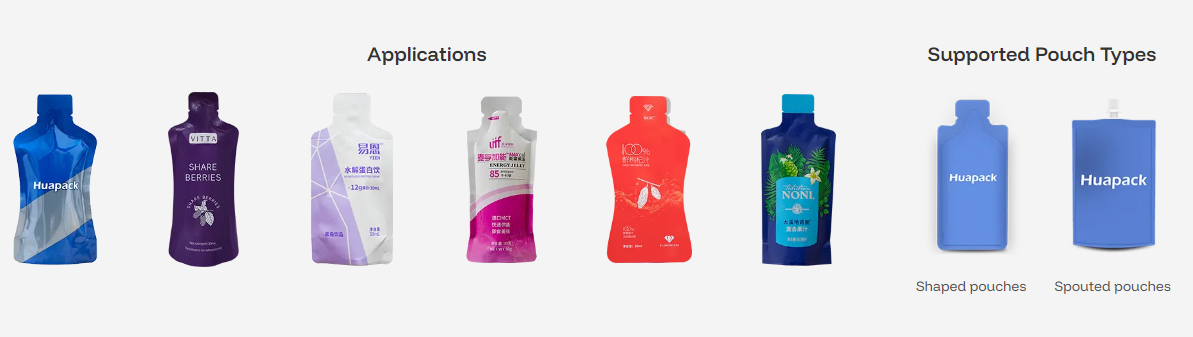
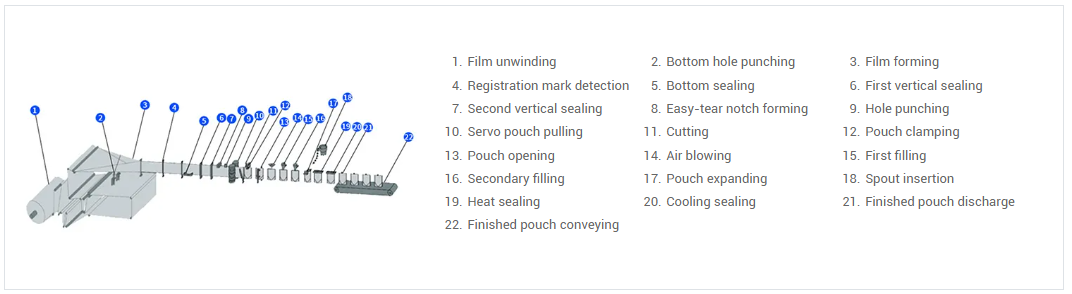
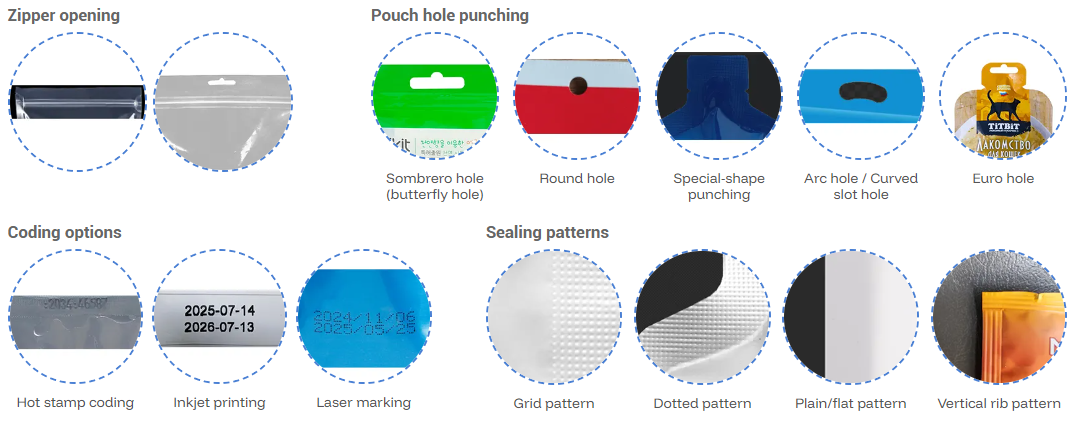

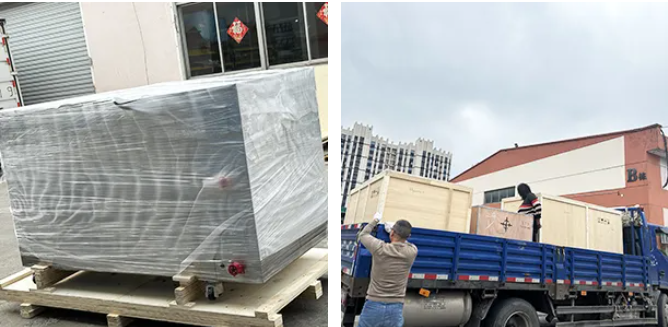
When I design a pouch packaging system, I do not look at machine speed alone. I first look at the product, pouch format, filling volume, material flow, sealing needs, and the production target. A machine that runs fast but gives unstable filling or poor sealing is not a good machine for a real factory.
That is why I developed the Servo Driven Rollstock Spouted Pouch Packaging Machine, 2-Nozzle Filling-240SDP/280SDP/330SDP around a simple idea: make rollstock spouted pouch production more automated, more precise, and easier to manage.
This machine combines roll film feeding, pouch forming, spout pouch handling, two-nozzle filling, sealing, cutting, coding, and finished pouch discharge in one automated system. The full servo control system allows me to manage important movements digitally, while the two-nozzle filling configuration provides an efficient solution for liquid and semi-liquid products.
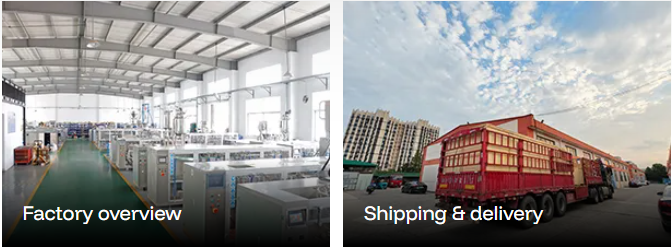
At Shanghai Huacheng Packing Machinery Company (Huapack), I have focused on pouch packaging machinery since 2015. We are based in Songjiang District, Shanghai, and bring research and development, manufacturing, sales, and technical service together under one operation.
Our work covers food, dairy, health nutrition, medical nutrition, pharmaceuticals, personal care, agrochemicals, pet food, and other compatible products. We can supply a standalone machine, but I can also design the equipment as part of a complete automated packaging line.
1. What Is a Servo Driven Rollstock Spouted Pouch Packaging Machine?
A rollstock spouted pouch packaging machine starts with packaging film supplied on a roll. Instead of buying completely finished pouches, the machine forms the pouch during the production process and integrates the spout into the package according to the selected configuration.
The finished pouch is particularly useful for products that are easier to pour, squeeze, or dispense through a spout. Juice, yogurt drinks, sauces, honey, liquid nutrition products, detergents, personal care liquids, and some agricultural products are typical examples.
The main difference between this machine and a simple pouch filling machine is that I am dealing with the whole packaging process. Film feeding, pouch forming, filling, spout handling, sealing, cutting, and coding all need to work together.
The machine uses a full servo drive system. In simple terms, servo motors allow the control system to manage important movements with accurate speed and position feedback. This is useful when the film must stop or move at a precise position, when the pouch needs to line up with the filling nozzles, and when cutting or sealing must match the package position.
The 240SDP, 280SDP, and 330SDP models provide different machine configurations for different production requirements. I do not recommend choosing one simply because the model number is larger. The right model depends on the actual pouch dimensions, product, filling volume, and target capacity.
| Model | Machine Positioning | Typical Packaging Requirement | Filling Configuration |
|---|---|---|---|
| 240SDP | Compact spouted pouch production | Small to medium pouch formats | 2-nozzle filling |
| 280SDP | Flexible medium-format production | Medium pouch formats and varied production needs | 2-nozzle filling |
| 330SDP | Larger-format spouted pouch production | Larger pouch and filling requirements | 2-nozzle filling |
Source: Huapack product configuration information provided for the 240SDP/280SDP/330SDP series. Final model selection depends on pouch dimensions, product characteristics, filling volume, film structure, and required production capacity.
2. How I Run the Spouted Pouch Packaging Process
From the operator's point of view, the process should be easy to understand. From the engineering side, however, several movements have to stay synchronized.
Roll film feeding: The packaging film enters the machine from the rollstock supply section.
Film positioning: The film is guided and positioned before pouch forming.
Pouch forming: The film is shaped into the required pouch structure.
Spout positioning: The spout is positioned according to the selected pouch design.
Pouch transport: The pouch moves through the different working stations in a controlled sequence.
Two-nozzle filling: Two filling nozzles deliver the product according to the selected dosing method.
Sealing: The pouch and spout area are sealed according to the package structure.
Cutting: Individual finished pouches are separated from the film web.
Coding: Date, batch, barcode, QR code, or other production information can be added when required.
Discharge: Finished spouted pouches are transferred to the next process or collection area.
The two-nozzle filling system is one of the practical features I focus on. Two nozzles allow the filling process to be arranged around the machine cycle more efficiently than a single-nozzle configuration in suitable applications.
However, I do not promise that two nozzles automatically mean double the production speed. Real production depends on product viscosity, filling volume, dosing accuracy, pouch size, sealing time, film behavior, and the selected filling technology.
For example, a thin liquid may fill quickly, while a thick sauce or paste may need more time to reach the required weight or volume. That is why I always recommend testing the actual product before final machine configuration.
3. Why I Use Full Servo Control
The word “servo” sounds technical, but the basic idea is quite easy to understand.
A servo motor uses feedback to help the control system know where the motor is and how fast it is moving. This gives me much better control over repeated machine movements.
For flexible pouch packaging, this is important. The film needs to move to the correct position. The pouch needs to arrive under the filling system at the right time. The spout must be positioned correctly. Sealing and cutting must also match the pouch position.
If these movements are not synchronized, the result can be film waste, poor pouch appearance, incorrect filling, or sealing problems.
With a servo-driven system, I can digitally adjust important production parameters such as film movement, pouch length, machine speed, and other motion settings. This also makes it easier to save and repeat production recipes.
| Machine Function | Servo-Based Control | Production Benefit |
|---|---|---|
| Film feeding | Controlled servo movement | More consistent film positioning |
| Pouch positioning | Synchronized motion | Better filling and sealing alignment |
| Machine speed | Digital adjustment | Easier production setup |
| Bag length | Digital parameter setting | Faster format adjustment |
| Production recipes | Stored parameters | Less repeated manual setup |
Source: Huapack product information supplied for this product page. The practical benefits listed above describe the intended function of the full servo control system; actual results depend on machine configuration, packaging material, and operating conditions.
Another benefit is easier operation. An operator should not need to understand every mechanical detail of the machine just to change a production setting. The HMI provides a more direct way to adjust parameters and monitor the machine.
For factories that produce several pouch sizes or products, this can be especially useful. A saved recipe can reduce repeated setup work when the same packaging specification comes back into production.
4. Two-Nozzle Filling: What Products Can I Handle?
The filling system is where I pay close attention to the product itself. There is no single filling method that is perfect for every material.
Liquid Products
For liquid products, I can configure the machine with a suitable liquid filling system based on viscosity and filling volume. Water-like liquids, juice, liquid nutrition products, and detergents may flow easily, while thicker products need a different approach.
Sauces and Semi-Liquid Products
Products such as tomato sauce, fruit sauce, honey, seasoning sauce, and similar materials may require a filling system designed for higher viscosity. I check the product's flow behavior before deciding on the pump or dosing configuration.
Yogurt and Dairy Products
Spouted pouches are useful for convenient dairy packaging, including yogurt and other liquid or semi-liquid products. Product temperature, viscosity, cleaning requirements, and filling accuracy all need to be considered.
Personal Care Products
Liquid detergent, shampoo, body wash, cleaning liquid, and other personal care products can be considered when their formulation and packaging materials are compatible with the machine.
Nutrition and Medical Nutrition
Liquid nutrition products can benefit from a convenient spout format. For these applications, I pay extra attention to product-contact materials, cleaning requirements, filling accuracy, and the customer's applicable production standards.
Agricultural and Industrial Liquids
Some agricultural nutrient liquids, liquid fertilizers, lubricants, and compatible industrial liquids can also use spouted pouch packaging. Chemical compatibility must be checked before finalizing the machine because different products can have very different effects on seals, hoses, pumps, and contact materials.
| Product Category | Examples | Key Filling Consideration | Spouted Pouch Benefit |
|---|---|---|---|
| Food | Juice, sauces, honey | Flow and viscosity | Easy pouring and dispensing |
| Dairy | Yogurt, liquid dairy products | Product consistency and hygiene | Convenient consumption |
| Personal care | Shampoo, detergent, cleaning liquid | Viscosity and material compatibility | Controlled dispensing |
| Nutrition | Liquid nutrition products | Filling accuracy and cleaning | Convenient use and portability |
| Agriculture | Liquid nutrients, compatible fertilizers | Chemical compatibility | Practical liquid handling |
Source: Huapack application information provided for this product and the stated application range of the company's pouch packaging solutions. Product suitability must be confirmed through material and filling tests.
5. Main Features I Focus On in Daily Production
Full servo drive: I use servo control for accurate and synchronized machine movement. This helps the film feeding, pouch transport, filling, sealing, and cutting stages work together.
Two-nozzle filling: Two filling nozzles provide an efficient filling configuration for suitable liquid and semi-liquid products. The exact dosing method can be selected according to product characteristics.
Rollstock operation: The machine works with roll film, allowing pouch forming to take place automatically instead of relying on finished premade pouches.
Digital adjustment: Bag length, speed, filling parameters, and other machine settings can be adjusted through the control interface.
Multiple pouch formats: The system can be configured for different flexible pouch sizes within the applicable machine range.
Stable sealing: Sealing is a critical part of any flexible pouch machine. I consider film structure, sealing temperature, pressure, and sealing time together rather than treating the sealing unit as an isolated component.
Automatic coding: Coding equipment can be integrated for production dates, batch numbers, QR codes, barcodes, or other required information.
Line integration: The machine can be connected with upstream product preparation and filling systems or downstream conveying, inspection, and secondary packaging equipment.
Lower manual involvement: Once the machine is correctly configured, automated pouch production reduces repetitive manual handling and can improve workshop organization.
6. How I Select and Manufacture the Right Configuration
I do not treat customization as simply changing a few numbers on a machine screen. Good customization starts before manufacturing begins.
First, I need to understand the product. Is it thin like water? Is it thick like honey? Does it contain small particles? Does it foam during filling? Does it react with certain materials?
Next, I look at the pouch. I need the pouch width and height, film material, film thickness, spout size, spout position, filling volume, and sealing structure.
Then I look at the production target. A small manufacturer may need a compact automated machine. A larger factory may need automatic feeding, multiple filling stations, check weighing, metal detection, conveyors, and secondary packaging.
This is where the 240SDP, 280SDP, and 330SDP series gives me flexibility. I can select the machine size and configuration according to the actual pouch and production requirements rather than using one fixed solution for every customer.
During manufacturing, I pay attention to the frame, servo motors, film path, pouch forming components, filling system, spout positioning mechanism, sealing section, sensors, electrical cabinet, HMI, and safety components.
I also consider maintenance from the beginning. A machine may run well when it is new, but operators still need to clean it, inspect it, change products, and replace wear parts later. Easy access to important working areas can make a real difference over the machine's service life.
For a complete project, I can also connect the pouch packaging machine with weighing, feeding, conveying, inspection, coding, cartoning, or other downstream equipment. This makes the system easier to manage as one production line.
7. Why I Recommend Huapack for Spouted Pouch Packaging
At Huapack, I focus on pouch packaging rather than trying to cover every kind of packaging machine on the market.
Shanghai Huacheng Packing Machinery Company was established in 2015 and is based in Songjiang District, Shanghai. We integrate R&D, manufacturing, sales, and technical service under one operation. This gives me a practical way to follow a project from the first technical discussion through machine production and after-sales support.
Our experience covers multiple pouch formats, including flexible pouches, stand-up pouches, zipper pouches, and spouted pouch applications. We work with automated weighing, pouch filling, sealing, and complete line integration.
What I value most is matching the machine to the product.
If a customer produces juice, I need to understand the liquid's viscosity and filling volume. If the product is honey or a thick sauce, the filling system needs different consideration. If the product is detergent, I need to consider chemical compatibility. If the pouch is used for nutrition products, cleaning and product-contact requirements become more important.
That is why I encourage customers to send product samples and pouch information before finalizing the equipment.
A machine specification can tell us what the equipment is designed to do. A product test tells us how it behaves with your actual material. I prefer to use both.
8. Frequently Asked Questions
What does “rollstock spouted pouch” mean?
Rollstock means the packaging film is supplied on a roll. The machine forms the flexible pouch during production and integrates the spout according to the selected packaging design. This is different from a machine that only fills finished premade spouted pouches.
What is the purpose of the two-nozzle filling system?
The two-nozzle configuration provides two filling points within the machine cycle. It can improve filling efficiency for suitable products and production conditions. The actual output depends on product viscosity, filling volume, dosing method, pouch size, and sealing requirements.
What products can this machine package?
The machine is designed for compatible liquid and semi-liquid products, including juices, yogurt, sauces, honey, detergents, personal care liquids, nutrition products, agricultural liquids, and other suitable materials. Product compatibility should always be confirmed before production.
Can I use this machine for thick sauces or honey?
Yes, in suitable configurations. Thick products require a filling system matched to their viscosity and flow behavior. I recommend testing the actual product before selecting the final pump or dosing method.
Can I change the pouch size?
Yes, the applicable pouch size range depends on the selected 240SDP, 280SDP, or 330SDP model and the final machine configuration. Format changes may require digital parameter changes and, depending on the pouch design, mechanical adjustments or change parts.
Can I use printed film?
Yes. Printed roll film can be used when the film material, thickness, dimensions, registration marks, and pouch structure are compatible with the machine. Film registration control can be configured when accurate artwork positioning is required.
Does the machine automatically seal the spout?
The machine is designed to complete the relevant pouch forming, filling, and sealing operations according to the selected spouted pouch configuration. The exact sealing method depends on the pouch and spout structure.
Can the machine print production information?
Yes. Coding equipment can be integrated for information such as production dates, batch numbers, barcodes, and QR codes. The exact coding method depends on the product, film, printing requirements, and production line.
Can Huapack provide a complete packaging line?
Yes. Huapack can provide solutions covering automated weighing, filling, sealing, conveying, and line integration. I can design the system around the product, pouch format, capacity requirement, and factory layout.
Build Your Spouted Pouch Packaging Solution With Huapack
The Servo Driven Rollstock Spouted Pouch Packaging Machine, 2-Nozzle Filling-240SDP/280SDP/330SDP is designed for manufacturers that want an automated way to produce flexible spouted pouches directly from roll film.
With full servo control, two-nozzle filling, digital parameter adjustment, automatic pouch forming, sealing, cutting, coding, and production-line integration, the machine can support a wide range of modern liquid and semi-liquid packaging applications.
But I always recommend starting with the product rather than the machine.
If you are searching for a servo driven spouted pouch packaging machine, Rollstock Spouted Pouch Filling Machine, Automatic Spouted Pouch Packing Machine, 2-nozzle spouted pouch filling machine, spouted pouch filling and sealing machine, or servo controlled liquid pouch packaging machine, send me your product type, filling volume, pouch dimensions, spout specifications, film information, and target production capacity.
I can then help you compare the 240SDP vs 280SDP vs 330SDP, select a suitable filling method, and build the machine configuration around your actual production conditions.
Huapack — focused on pouch packaging machinery, from individual machines to complete automated packaging lines.
Product Information Source
All product-specific descriptions and comparative information in this page are based on the Huapack company and product information supplied for this content. Final technical specifications, filling capacity, pouch dimensions, speed, utilities, and optional configurations should be confirmed with Huapack according to the customer's product, pouch material, and production requirements.



 WhatsApp
 Phone
Phone E-mail