
 Español
 Portugues
 Pусский
 Français
 Deutsch
 日本語
日本語 한국어
한국어 العربية
 Italiano
 Nederlands
 Ελληνικά
 Svenska
 Polski
 ไทย
ไทย Türk dili
 हिन्दी
 Indonesia
 Melayu
 Tiếng Việt
 中文
中文 dansk
dansk Magyar
 қазақ
қазақ বাংলা
বাংলা עִברִית
 čeština
 Soomaali
 မြန်မာ
 فارسی
فارسی українська
 norsk
norsk Gaeilge
 беларускі
 Română
 ພາສາລາວ
 Filipino
 lietuvių
 Cymraeg
 македонски
 Suomalainen
 slovenský
 o'zbek
 اردو
اردو հայերեն
 Igbo
Igbo български
 سنڌي
سنڌي Shona
Shona සිංහල
සිංහල Hrvatski
 íslenskur
 galego
 català
 Zulu South Africa
 Afrikaans isiXhosa
 ಕನ್ನಡ
ಕನ್ನಡ lëtzebuergesch
 Indonésia Sunda
 Кыргызча
 тоҷикӣ
 Србија
 Twi
Twi Hawaii
 Cebu
Cebu नेपाल
नेपाल euskara
 frissi
 יידיש
יידיש latvija
 slovenija
 kiswahili
 ਪੰਜਾਬ
ਪੰਜਾਬ پښتو
پښتو საქართველოს
 hua moni
 bosna
bosna Kreyòl ayisyen
 Eesti
Eesti Gàidhlig na h-Alba
 Samoa
Samoa Монгол
 Azərbaycan
 አማራ
አማራ Shqipëria
 Malagasy
 Malta
Malta ខ្មែរ
ខ្មែរ Chicheva
 中文(繁体)
 ଓଡିଆ
ଓଡିଆ Setswana
 Afrikaans
 Aymara
 Башҡорт
 Türkmenler
 ትግሪኛ
ትግሪኛ Afaan Oromoo
 অসমীয়া
 Kinyarwanda
 Ilocano
 Wolof
Wolof अवधी
अवधी Oluganda
 Bikol
Bikol Fulɓe
Fulɓe Kikongo
 Sango
Sango ދިވެހި
 Lingala
 मैथिली
 Tsonga
 ꯃꯦꯏ ꯊꯥꯏ꯫
 brezhoneg
 Furlan
 नेवा
नेवा རྫོང་ཁ
 Santali
 Аҧсуа
Аҧсуа Нохчийн
 Чӑваш
Чӑваш Татар
Татар Batak Karo
 دری
دری Diura
Diura Fengyu
 Eʋegbe
 Iban
Iban Fiji
Fiji Tonga
Tonga Inuktitut
 Nahuatl
 maaya yucatec
 Runasimi
 guarani
 Qafar
Qafar Acholi
 Dinka
Dinka Luo
Luo Lundi
Lundi isiNdebele
 Tshivenḓa
 Sesotho sa Leboa
 Sesotho sa Borwa
 Ndumbe
 Papuan Pidgin
 Rromani ćhib
 Thok Nath
Storage tank
A storage tank is a large container designed to hold liquids, gases, or sometimes solid materials for short-term or long-term use. It is widely used in industries such as oil and gas, chemical processing, food and beverage, water treatment, agriculture, and manufacturing. Storage tanks help keep materials safe, organized, and ready for use when needed.Storage tanks come in many shapes and sizes, depending on their purpose. The most common types are vertical tanks, horizontal tanks, cylindrical tanks, and spherical tanks. Some tanks are made to store water, fuel, chemicals, or compressed gases, while others are used to store ingredients in food production or raw materials in factories. Each type of tank is designed to meet specific requirements for pressure, temperature, corrosion resistance, and safety.The materials used to build storage tanks are very important. Common materials include carbon steel, stainless steel, aluminum, fiberglass, and reinforced plastic. The choice of material depends on what will be stored inside the tank. For example, stainless steel is often used for food-grade or chemical applications because it resists corrosion and is easy to clean. Carbon steel is often used for fuel and industrial liquids because it is strong and durable. For highly corrosive substances, special linings or coatings may be added to protect the tank and extend its service life.Safety is a major consideration in storage tank design and operation. Tanks must be built to prevent leaks, spills, and contamination. Many tanks include vents, pressure relief devices, level gauges, inspection ports, and drainage systems. These features help operators monitor the contents and maintain safe working conditions. In some industries, tanks are installed with secondary containment systems, such as bunds or retaining walls, to control any accidental release of materials.Storage tanks also play an important role in efficiency. By storing large amounts of material, they allow businesses to manage supply and demand more effectively. For example, a water tank can provide a stable supply during peak usage, while a fuel tank can ensure continuous operation of machinery or vehicles. In chemical plants, storage tanks help maintain production by keeping raw materials available for processing.Regular maintenance is necessary to keep storage tanks in good condition. Inspections are carried out to check for corrosion, cracks, sediment buildup, and structural damage. Cleaning is also important, especially for tanks used in food, beverage, or chemical applications. Proper maintenance improves performance, increases safety, and helps avoid costly repairs or environmental problems.In conclusion, a storage tank is an essential piece of equipment used in many industries. It provides a reliable way to store and manage materials safely and efficiently. With the right design, material, and maintenance, a storage tank can serve effectively for many years.
Products
Category:
-
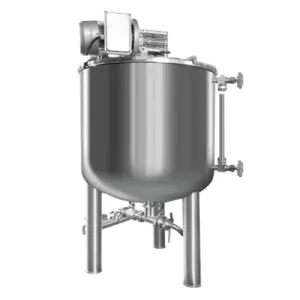
Storage tank
Category: Auxiliary EquipmentBrowse number: 2Number:Release time: 2026-09-01 16:05:54A storage tank provides a reliable space for temporarily holding powders, granules, liquids, or other suitable materials before processing and packaging. Our storage tanks can be integrated with feeding, weighing, filling, and conveying systems to support continuous production. They are designed according to material characteristics, capacity, process requirements, and packaging line layout.
News
Category:
No search results found!
Case
Category:
No search results found!
Video
Category:
No search results found!
Download
Category:
No search results found!
Job
Category:
No search results found!
Featured Products
No search results found!



 WhatsApp
 Phone
Phone E-mail